The Stories Behind Filipino Craftsmanship
Earlier this month, we visited the Design Center of the Philippines’ Design Week. Between the exhibits and talks, we found ourselves thinking about some of the favourite brand stories we’ve had the privilege of documenting and the people behind them.
Likha: A Story of Craftsmanship, Filip + Inna and Jewelmer each offered a different perspective on Filipino creativity, enterprise and heritage. Working on these films reminded us why these stories matter, particularly at a time when the love local movement has become an increasingly visible part of the Philippine design and business landscape.
Over the past decade, events, grants, and mentorships have helped bring Filipino designers, artisans, and independent businesses to wider audiences. They have created spaces for conversations about craftsmanship, cultural identity, and the future of Filipino-made brands.
Behind this movement are businesses with stories worth telling: founders building brands of their own, communities sustaining traditional skills, and companies finding ways to bring Filipino identity into contemporary markets.
These are some of the stories we’ve had the opportunity to explore through film.
Likha: Bringing the People Behind Craftsmanship Forward
Produced for the Department of Trade and Industry through the Design Center of the Philippines, in collaboration with Forestier Paris, Likha: A Story of Craftsmanship explored Philippine craftsmanship through its economic, cultural, and social dimensions. The story extended beyond the finished work to the people and communities behind it. Traditional skills represent more than cultural heritage; they support livelihoods, sustain knowledge passed between generations, and create opportunities for local industries to grow.
The Design Center of the Philippines described the film's premise as design moving beyond aesthetic value to weave a poetic narrative that puts Filipino craftspeople front and center. That was an important distinction. Rather than presenting Filipino craftsmanship as something to admire from a distance, the story brought its makers into focus. Their work became part of a larger narrative about enterprise, identity, and the future of traditional industries.
For businesses working in this space, that context is fundamental. Their value lies not only in what they create, but in the people they support, the knowledge they preserve and the opportunities they help build.
Filip + Inna: Building a Brand Around Cultural Identity

Filip + Inna approaches Filipino heritage from the perspective of a contemporary fashion brand. Their work brings indigenous textiles and traditional craftsmanship into modern design, creating a business around the relationship between cultural identity and contemporary expression.
Our photographs and films explored the thinking behind that identity. What does it mean to build a brand that draws from Filipino heritage? How can traditional techniques remain relevant in a contemporary market? And how can a business grow while maintaining a meaningful connection to the culture that informs it?
These questions extend beyond fashion. They speak to the decisions faced by entrepreneurs who want to build businesses around something more substantial than a market opportunity. Filip + Inna demonstrates how cultural heritage can become an integral part of a brand's direction. Not simply a visual reference, but a foundation for its identity and the work it puts into the world.
For a new generation of Filipino entrepreneurs, stories like this offer a compelling perspective: local identity can be a source of creative direction, commercial distinction, and long-term purpose.
Jewelmer: A Business Shaped by Nature and Expertise
Jewelmer tells a different story, one rooted in the cultivation of the golden South Sea pearls and the expertise required to produce them. Our corporate brand film explored the world behind the company, its relationship with the natural environment, its specialised knowledge, and the commitment required to sustain its work over time.
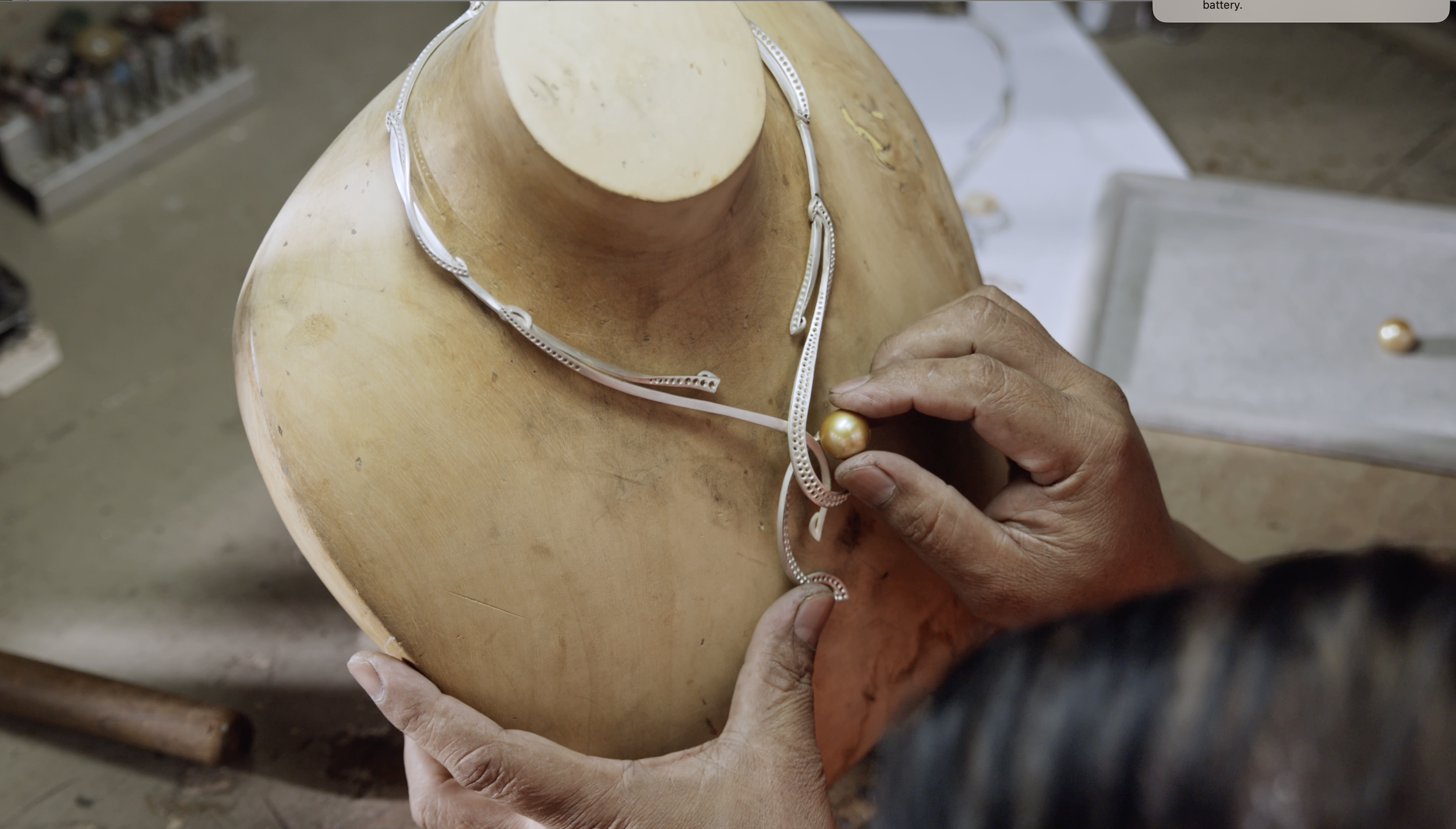
What makes this story compelling is the connection between the business and the principles that shape it. The brand's identity is inseparable from the environment in which it operates and the people whose expertise makes its work possible. Communicating that relationship requires more than presenting the company and its achievements. It means giving audiences a sense of the thinking, processes, and enduring dedication behind the brand.
Heritage brands like Jewelmer have a distinct advantage: a story grounded in expertise, provenance, and an enduring commitment to how their business operates. These are not simply points of difference; they are the foundations of the brand’s identity. When communicated effectively, they help audiences understand not only what the company produces, but the knowledge, values and decisions behind it.
Different Businesses. A Common Thread.
Likha, Filip + Inna and Jewelmer operate in different spaces, with different audiences and ambitions. What connects them is the substance behind their stories.
Each has a genuine point of view, shaped by the people involved, the way the business operates, and the values it brings to its work. Our task was to understand those distinctions and find a visual language that communicated them without reducing each story to a set of brand messages.
These projects also reflect the wider possibilities within the Filipino business landscape. Traditional craftsmanship can support livelihoods and preserve cultural knowledge. For emerging businesses, these examples can be inspiring. Inspiring not because they offer a formula to follow, but because they demonstrate different ways of building a brand with a clear sense of purpose.
As interest in Filipino design and enterprise continues to grow, the stories behind these businesses deserve to be part of the conversation.
Why We Keep Coming Back to These Stories
Our visit to Design Week was a reminder of how much is happening across the local creative and business landscape and how many stories remain to be told.
Revisiting these films brought us back to what made each project meaningful in the first place: the opportunity to work with people and businesses that have something genuine to say about what they do. When a story is grounded in something real, it does not need to manufacture significance. It needs to reveal it.
That is what made these projects memorable for us, and why we continue to make this kind of work.